Notes on the store that knows its shoppers.
How fashion and jewellery brands use AI on the shop floor and behind it: try-on, styling, trends, design and the customers in between.
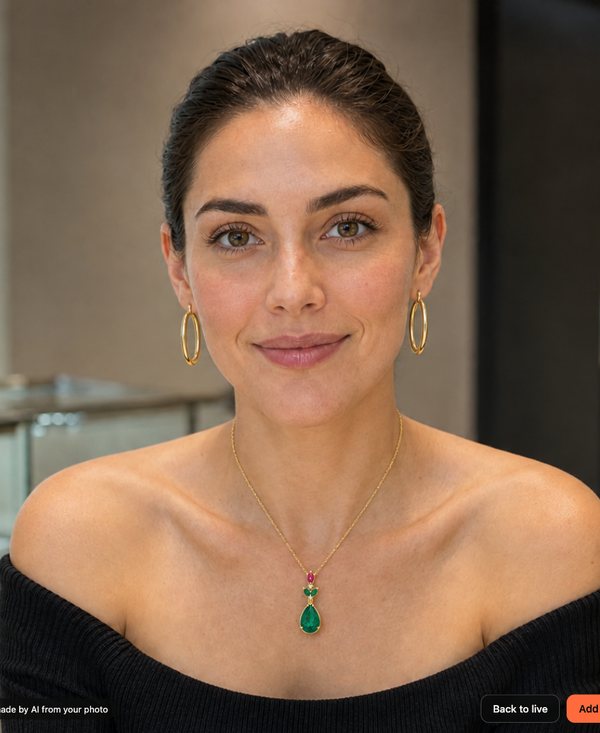
12 ways fashion and jewellery stores use AI on the shop floor in 2026
Twelve ways fashion and jewellery stores use AI on the shop floor in 2026, from try-on and stylists to clienteling, translation, unmet demand and follow-up.
Read the article →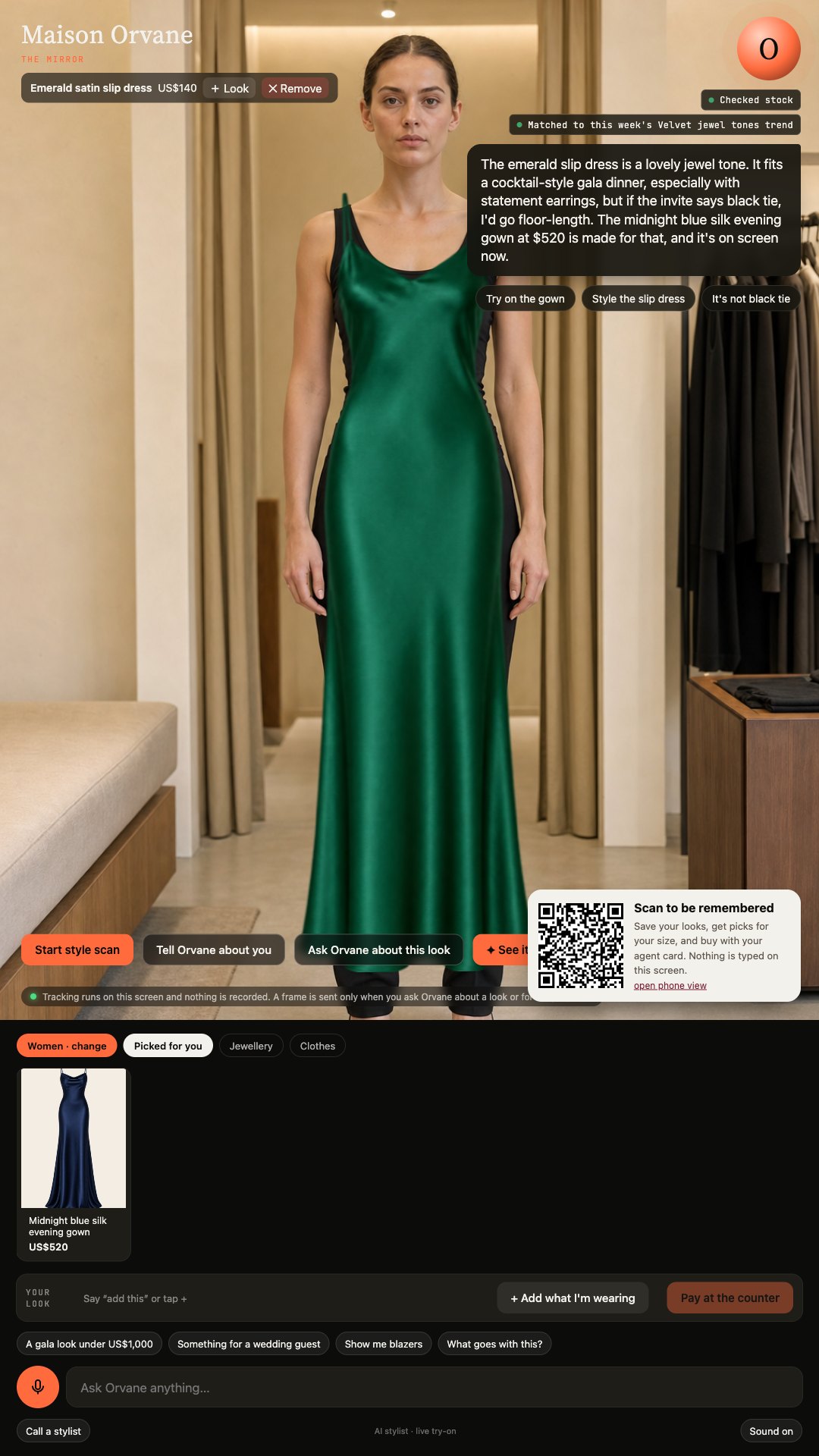
In-store AI for fashion and jewellery retail compared: virtual try-on, smart mirrors, clienteling apps and AI stylists
Virtual try-on, smart mirrors, clienteling apps and AI stylists compared: what each does, where it sits in the journey, the data it captures and the staff role.
Read the article →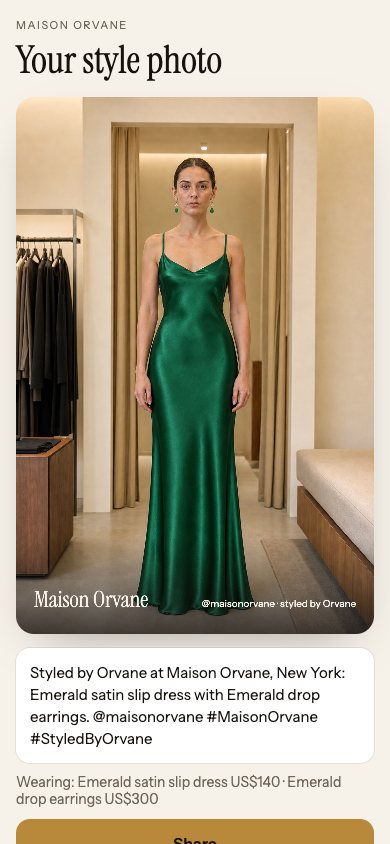
Clienteling in 2026: what it means for premium fashion and jewellery brands
What clienteling means now: client advisors, consented memory of sizes and occasions, store-to-phone follow-up, and how in-store AI and advisor apps fit together.
Read the article →
Asked for, not stocked: how to capture unmet demand in the store
Stock-outs, size gaps and requests you never ranged leave no trace at the till. How stores record unmet demand, and how to act on it in replenishment and buying.
Read the article →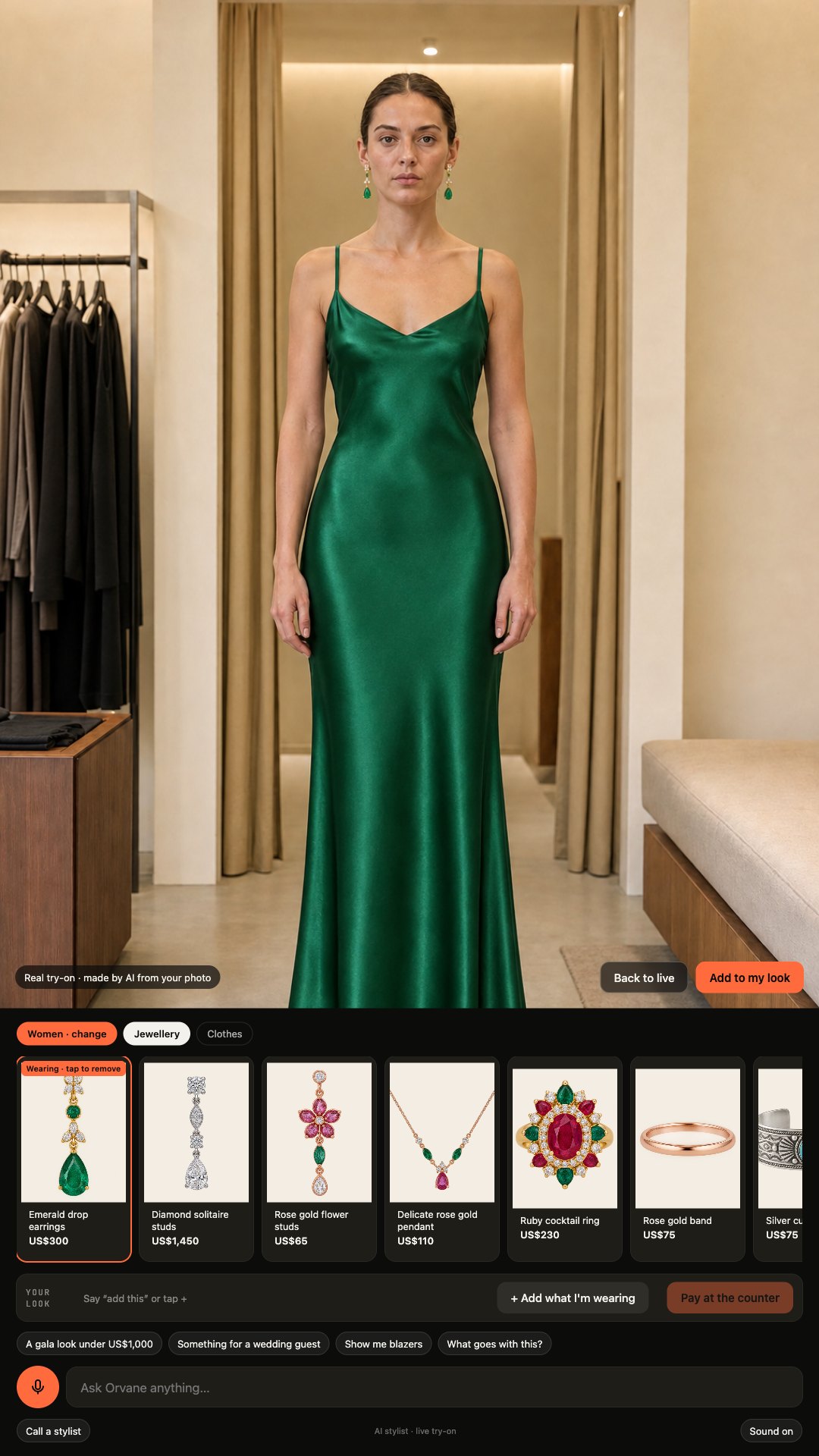
How to measure an in-store AI pilot
Metrics, control store design, pilot length and common pitfalls for measuring an in-store AI pilot in fashion or jewellery retail, from engagement to conversion and ATV.
Read the article →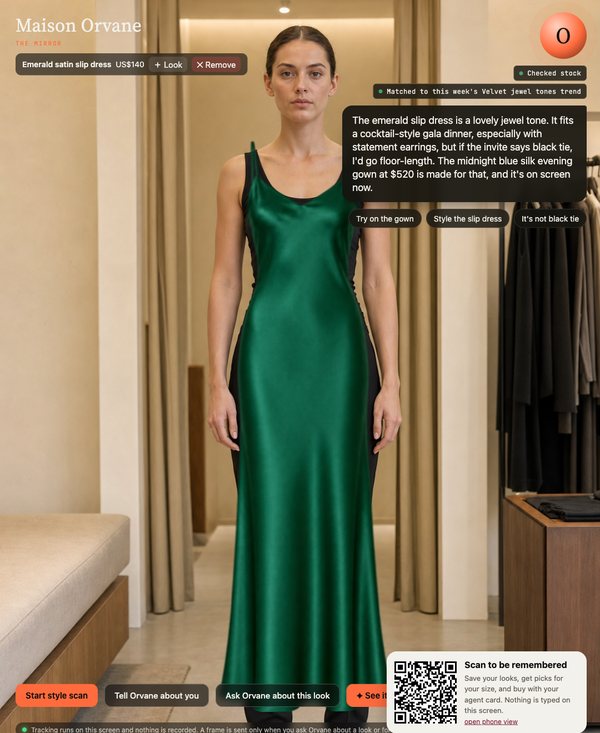
Trying on fine jewellery without opening the case
How jewellery counters can let shoppers try more pieces despite security, hygiene and advisor time, and where the real piece in the hand still decides the sale.
Read the article →
How to use try-on data in range planning and buying
Tried-versus-bought ratios, requested sizes and store-level try-ons can sharpen size curves, allocation and re-orders, and protect full-price sell-through.
Read the article →
Privacy by design for in-store AI: cameras, consent and the law
How to run cameras and AI in a store responsibly: GDPR biometric rules, the EU AI Act, CCPA, Illinois BIPA, New York City signage, consent and on-device tracking.
Read the article →
A brand-safe AI stylist: voice, rules, stock and testing
How to keep an AI stylist on brand: its name and voice, rules on returns and offers, grounding in your own stock and prices, approved trends, hand-over and testing.
Read the article →
Local demand vs global trend reports: forecasting fashion trends city by city
Trend agencies, social listening, search and sell-through show what is rising. How to test that view each week against what shoppers in each city ask for and try.
Read the article →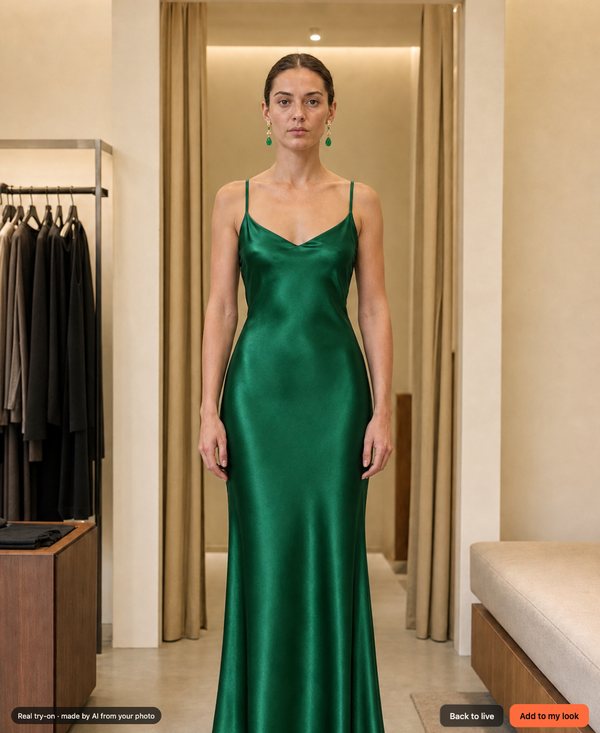
From demand signals to new designs: AI-assisted design for fashion and jewellery brands
How repeated unmet requests become design briefs, AI concepts in the brand's own style and on-screen tests before sampling, with care for IP and designers in charge.
Read the article →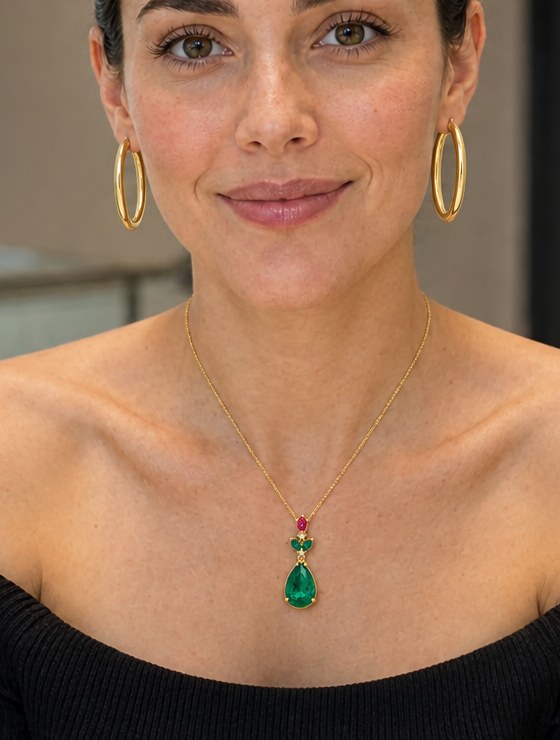
AI for bridal and engagement ring appointments
Where AI helps jewellers before, during and after a bridal or engagement ring appointment, from preparing a curated selection to follow-up, with the advisor in charge.
Read the article →
Virtual try-on for fine jewellery: why the photo matters more than the overlay
Flat overlays make fine jewellery look pasted on. How a two-layer approach, a live preview plus a photo made from the exact catalogue piece, gets earrings and chains to look worn.
Read the article →
What an in-store AI stylist actually does on the shop floor
From the moment a shopper steps up to the mirror to the photo on their phone: the five moments an in-store AI stylist handles, and what stays with your staff.
Read the article →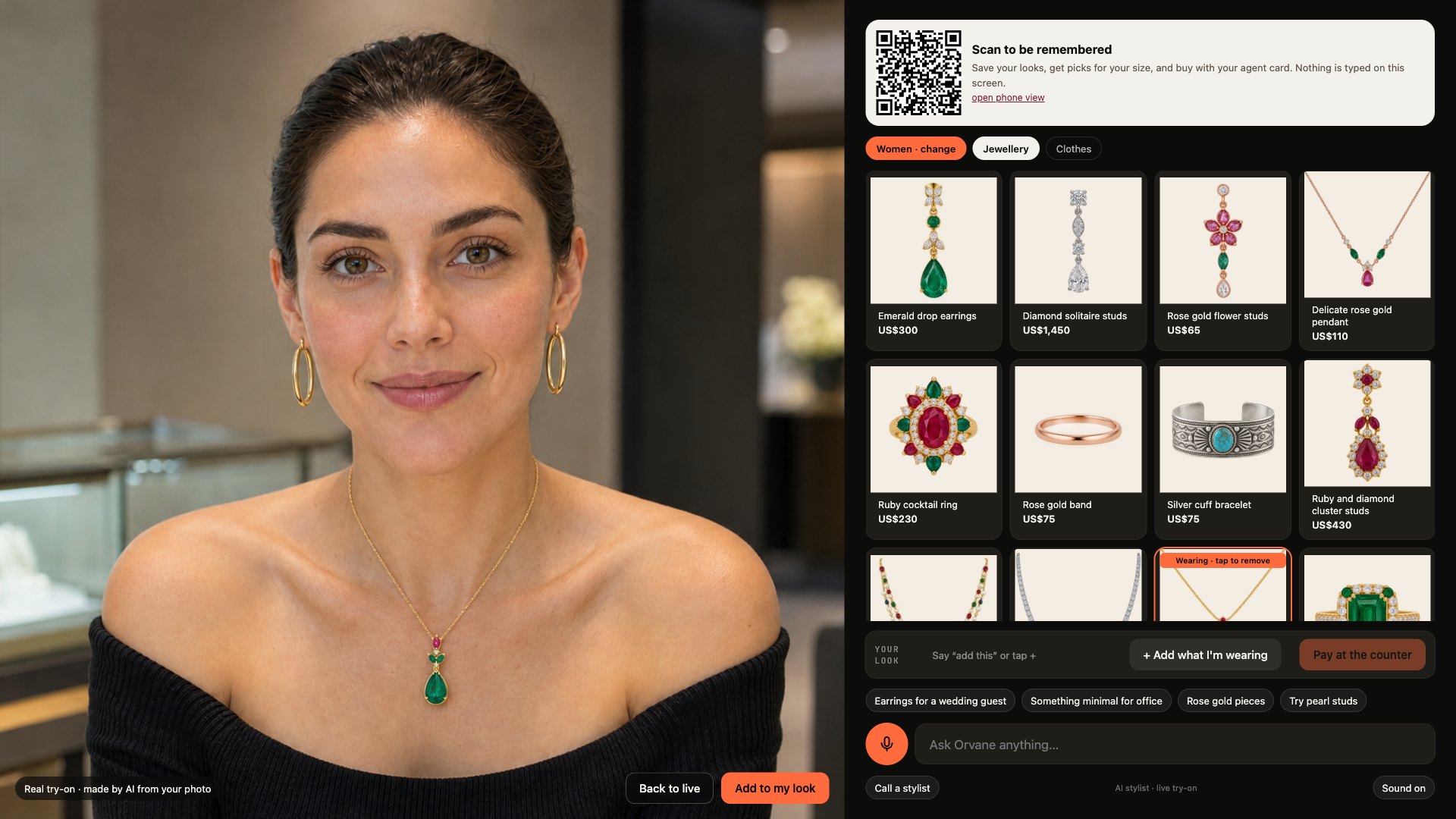
The data gap between online and in-store fashion retail, and how to close it
Online stores know what people looked at and left behind. Physical stores mostly know what sold. How try-on, questions and opt-in profiles close the gap, and what to do with what you learn.
Read the article →